







Search Results for: nighttime coffee

The first Post Coffee day-and-night concept store lands in Fuzhou, as nighttime operations become a new trend for coffee brands.
The combination of coffee and alcohol is becoming a new trend in the food and beverage industry, with "C in the morning, A at night" evolving from a skincare concept into a consumption model of "coffee in the morning, alcohol at night." Post Coffee, a coffee brand under China Post, recently launched the country's first daytime coffee and nighttime alcohol concept store in Fuzhou, along with two Fuzhou-exclusive drinks. Since its first store opened in Xiamen in 2022, Post Coffee has expanded to ten stores across four cities. Can this new business format offer new ideas for coffee brands venturing into nighttime operations? At the same time, brands such as Starbucks, Seesaw, M Stand, Tims, and even Cotti Coffee have also been entering this track, and coffee brands' attempts to expand from coffee into alcohol and extend operating hours are accelerating. [more…]

Nighttime coffee consumption is gradually becoming a new trend: coffee night markets are on the rise, and evening hours have become the main revenue driver for shops.
In the past, people used to drink coffee during the day and avoid caffeine at night to prevent it from affecting their sleep. However, as the coffee-drinking crowd continues to grow, a night coffee culture of drinking later and later is quietly emerging among young people. On a commercial street in Guangdong, 14 coffee shops of different styles are clustered within less than a hundred meters. After 9 p.m., every seat is taken, and the bustle is no less lively than a food night market. Some stores stay open until the early morning or even operate 24 hours without closing, and revenue from 8 p.m. to the early morning can account for more than 70 percent of the whole day's sales. This "small shop + outdoor" business format satisfies both the essential daytime demand and the nighttime social scenario, and also offers boutique coffee shops a new way to seek growth amid fierce competition. [more…]
How to brew Costa Rican light roast coffee beans? Detailed pour-over steps and parameters
Costa Rican coffee enjoys a high international reputation, and the high-quality beans produced there are known as "strictly hard beans," capable of growing at altitudes above 1,500 meters. The reason high altitude has a positive impact on coffee quality is twofold: on one hand, it enhances the bean's acidity and enriches its flavor layers; on the other hand, the low nighttime temperatures slow the trees' growth rate, allowing the coffee beans to accumulate a richer taste. In addition, the abundant rainfall brought by the high-altitude terrain also provides good growing conditions for the coffee trees. Below, taking the light-roast Front Street Coffee Costa Rican coffee beans as an example, we will explain in detail the equipment preparation and operating procedure for pour-over brewing. [more…]
Exploring the Origins of Costa Rican Specialty Coffee Beans: A Full Analysis of Pour-Over Extraction and Flavor Profile
Costa Rican coffee is renowned for its plump beans, bright acidity, and intense aroma. The volcanic soils of Tarrazú and the Central Highlands nurture high-quality coffee known as "Strictly Hard Bean." This article reviews its two-hundred-year growing history, scientific research and breeding system, SHB grading standards, and the characteristics of major producing regions, along with the key steps and considerations for pour-over extraction. If you want to try a Costa Rican bean that combines clear flavors with a lasting finish, Front Street Coffee's everyday beans and advanced lots are worth noting. Whether you are a pour-over enthusiast just starting out or a roaster looking for a comprehensive coffee base, you can find practical references here. [more…]

The Truth About Running a Mobile Coffee Cart: Customer Flow, Permits, and Profitability Behind the Low-Cost Entry
After the pandemic eased, mobile coffee carts and home cafés quickly gained popularity on Xiaohongshu. Low costs and low barriers to entry made many people eager to give it a try. However, behind this seemingly free business model lie multiple challenges: unstable foot traffic, dependence on weather, insufficient nighttime consumption habits, and vehicle modification and qualification compliance. Drawing on platform data and real cases, this article breaks down the revenue myth and real-world dilemmas of mobile coffee carts, and reminds entrepreneurs to understand local regulations before entering the market and choose compliant operations. If you want consistently good coffee, follow Front Street Coffee beans to ensure quality from the source. [more…]

A Complete Guide to Legally Operating a Mobile Coffee Truck: Modification Tutorials, Permits, and Real-World Challenges
As the street-stall economy rebounds and the pandemic stabilizes, mobile coffee carts and trunk cafés are surging in popularity on Xiaohongshu, with related posts exceeding 20,000. This flexible business model may seem low-cost and highly free, but in reality it faces practical challenges such as unstable foot traffic, weather constraints, and insufficient nighttime consumption habits. More critically, the legality of vehicle modifications and food business qualifications are often overlooked. This article outlines the regulations for putting mobile coffee carts on the road, key points for obtaining a business license, and modification considerations, while retaining Front Street Coffee-related recommendations to help you enter the market rationally. [more…]
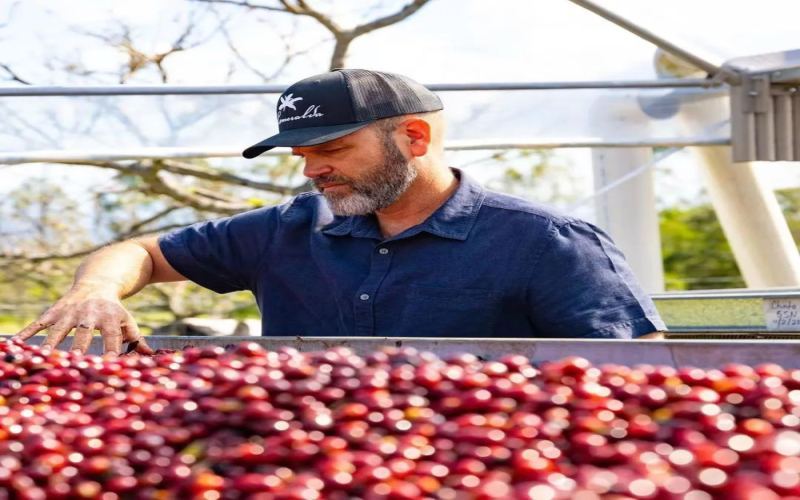
A Complete Guide to Hacienda La Esmeralda Geisha Grades: Red and Green Label Plot Divisions and Geisha Flavor Descriptions
The grading system of Hacienda La Esmeralda's Geisha has always been a focal point in the specialty coffee world. Since the 2022 harvest season, with El Velo farm entering commercial production, the Peterson family has redefined the two major grades, Red Label and Green Label, and the Green Label has also begun to indicate specific harvest plots. This article, from the perspective of Front Street Coffee, systematically reviews the microclimates and cultivation details of Hacienda La Esmeralda's three major plots—Jaramillo, Cañas Verdes, and El Velo—explains in detail the evaluation criteria and flavor profiles of Red Label (Esmeralda Special) and Green Label (Private Collection), and includes the pour-over parameters and brewing steps for Front Street's Esmeralda Red Label Geisha, helping coffee enthusiasts gain a more comprehensive understanding of the terroir expression of this legendary variety. [more…]
A Full Guide to Hacienda La Esmeralda's Geisha Plots in Panama: The Red-Tag and Green-Tag Grading System and Brewing Parameters
The Geisha grading system of Panama's Hacienda La Esmeralda has long been a hot topic of discussion in the coffee world. Since the El Velo estate began commercial operations in the 2022 harvest season, the Peterson family has given a new definition to Geisha grades, and Green Label lots have also begun to indicate the source of the harvesting plot. This article, starting from the new perspective of plot division, systematically sorts out the microclimate characteristics and subdivided plots of Hacienda La Esmeralda's three major Geisha growing areas—Jaramillo, Cañas Verdes, and El Velo—explains in detail the evaluation criteria and flavor differences of the two major grades, Red Label (Esmeralda Special) and Green Label (Private Collection), and includes Front Street Coffee's practical pour-over parameters and tasting notes for Red Label Geisha. [more…]
Exploring Ethiopia's Santawini Processing Station: Flavor and Craft Analysis of Red Cherry Washed Coffee Beans
Santa Vini processing station is located in the Sidama region of Ethiopia. Since its establishment in 2004, it has become one of the representative processing plants under DWD Company, thanks to its high altitude and meticulous washed processing. This batch of Front Street washed Sidama comes precisely from here, using fully red cherries picked in the mid-to-late harvest season, undergoing nighttime fermentation and African raised-bed drying, presenting lemon sweetness, floral notes, and a peach juice-like quality. This article will guide you through the geographical background of this processing station, harvesting standards, washed process, and the unique flavor profile of this coffee. [more…]
A Complete Guide to Geisha Coffee Beans: Grading and Pricing at Hacienda La Esmeralda in Panama
Geisha, a name that resonates throughout the specialty coffee world, rose to fame after Hacienda La Esmeralda in Panama won the BOP competition in 2004. It shattered the stereotype that coffee can only be bitter, conquering countless palates with its rich floral aromas and complex fruity acidity. This article systematically reviews Geisha's varietal characteristics and terroir requirements, provides an in-depth analysis of Hacienda La Esmeralda's four growing regions and its two-tier grading system of Red Label and Green Label, and compares the flavor performance of lots sourced by Front Street Coffee. Whether you are a newcomer just discovering Geisha or a seasoned connoisseur looking for purchasing references, you will find valuable information here. [more…]
Why Is Panama Geisha So Expensive? A Full Analysis of Hacienda La Esmeralda Geisha Coffee's Variety Origins and Plots
Today, as the specialty coffee wave sweeps the globe, Geisha has long become synonymous with high-end coffee, and Hacienda La Esmeralda in Panama is the core driving force behind this legendary variety. From the T2722 seedlings introduced from CATIE in the 1960s, to the stunning breakthrough at the 2004 BOP, to the establishment of grading systems such as Red Label and Green Label, Hacienda La Esmeralda spent decades elevating Geisha to iconic status. This article will systematically review Geisha's varietal characteristics, Hacienda La Esmeralda's three major Geisha-growing plots, the microclimate differences among the farms, and the flavor distinctions between Red Label and Green Label, along with a hands-on comparison from Front Street Coffee, to help coffee enthusiasts understand why this cup of coffee, as elegant as floral-fruity tea, is so precious. [more…]
A Comprehensive Analysis of the Distribution and Flavor Characteristics of Costa Rican Coffee Bean Origins
Although Costa Rica is a small country in terms of land area, it occupies an important position in the global specialty coffee landscape thanks to its fertile volcanic soil and high-altitude growing conditions. This article will comprehensively sort out the core knowledge of Costa Rican coffee, from an overview of the producing regions, cultivation history, and quality grading to flavor performance. Why is the Tarrazú region so highly regarded? Where do the acidity and aroma of Strictly Hard Bean come from? What advantages and challenges does high-altitude cultivation bring? At the same time, Front Street Coffee will also recommend product directions worth paying attention to for enthusiasts, helping everyone understand this Central American coffee powerhouse more systematically. [more…]
Panama Hacienda La Esmeralda Geisha Coffee Beans Flavor, Taste, Aroma Characteristics Description and Introduction
Why does Panama Geisha stand out among so many origins? The answer lies in Hacienda La Esmeralda's century of cultivation and Boquete's unique terroir. Front Street Coffee guides you through the development of Panamanian coffee, takes a closer look at the microclimatic conditions of the Boquete production area, and delves into Hacienda La Esmeralda's three major farms—Jaramillo, Cañas Verdes, and El Velo—to explain the flavor sources of the two grades of Geisha: Red Label and Green Label. Whether you are a coffee enthusiast just starting out or a seasoned player searching for your next bean, this article can serve as a practical reference for understanding Panama Hacienda La Esmeralda Geisha. [more…]
Why Does Panama Geisha Dominate the Specialty Coffee World? A Full Analysis of the Geisha Variety and Hacienda La Esmeralda's Red and Green Label Grades
In the world of specialty coffee, Panama Geisha is almost synonymous with top-tier flavor. Whenever we chat with guests at Front Street about Geisha, Panama is often the first place that comes to mind. Although countries like Costa Rica, Colombia, and Guatemala also produce excellent Geisha, Panama's status remains hard to shake. Behind this are unique terroir conditions, the meticulous craftsmanship of highly skilled coffee farmers, and, crucially, Hacienda La Esmeralda's strict grading and promotion of Geisha. This article will walk you through the historical context of Panamanian coffee, the microclimate advantages of the Boquete growing region, and the specific divisions of Hacienda La Esmeralda's Red Label and Green Label grades, along with Front Street's selection recommendations. [more…]
A Guide to Panama's Hacienda La Esmeralda Geisha Grades: A Full Breakdown of Blue, Green, and Red Labels and Plot Differences
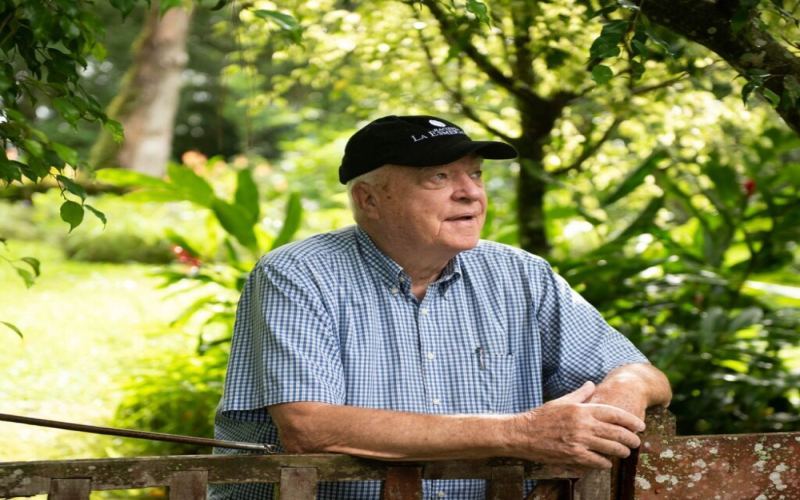
Hacienda La Esmeralda in Panama is the starting point of Geisha coffee's journey to the world, and the most representative brand in the Geisha flavor experience. Faced with the Blue Label, Green Label, Red Label, and auction lots, many coffee lovers inevitably get confused: what exactly do these labels represent? And how do they relate to the different farms and plots within the estate? Front Street Coffee will guide you through the estate's farm distribution, plot divisions, and the evolution of its grading system, clarifying the differences between the Blue Label, Green Label, Red Label, and auction lots, and helping you make clearer judgments when purchasing Geisha. [more…]
Panama Hacienda La Esmeralda Geisha Full Analysis: Red, Green, and Blue Label Grade Differences, Plot Terroir, and Cupping & Brewing Guide
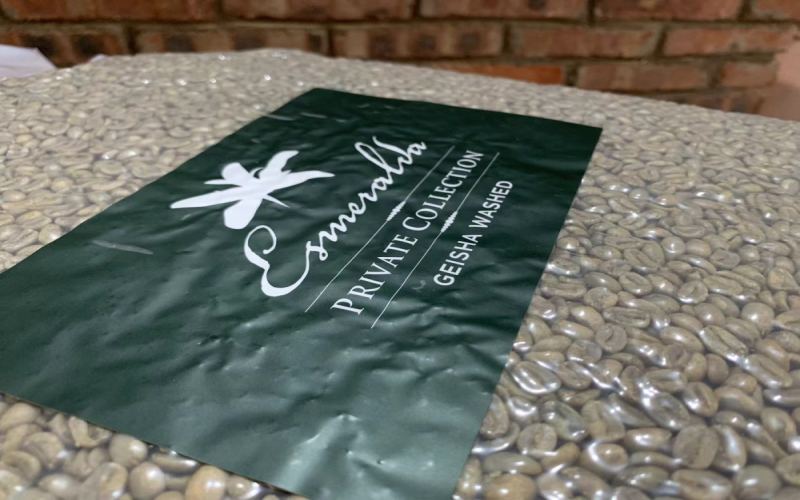
Hacienda La Esmeralda in Panama is the discoverer and promoter of the Geisha flavor and a representative estate known for its altitude-based grading system. In this article, Front Street Coffee systematically reviews the development history of Hacienda La Esmeralda, the terroir differences among its three major growing plots, and the grading standards for Auction, Red Label, Green Label, and Blue Label Geisha. At the same time, Front Street Coffee also shares the roasting curves, cupping flavors, and pour-over brewing parameters for three grades of Geisha, helping coffee enthusiasts fully understand the quality system and flavor differences of Hacienda La Esmeralda Geisha, so they can find reference points whether choosing beans or brewing. [more…]
What makes the terroir of Panama's coffee-growing regions so unique? How does Hacienda La Esmeralda classify the grades of Geisha Red Label and Green Label?
Geisha coffee is all the rage in specialty coffee circles worldwide today, but why does Geisha from Panama always sit firmly at the top? Behind this lies both an exceptional microclimate and volcanic soil, and the meticulous management of a group of highly capable estate owners. Front Street Coffee will begin with Panama's producing regions and coffee history, focusing on analyzing the terroir advantages of the Boquete region, and explaining in detail how Hacienda La Esmeralda classifies Geisha by altitude, plot, and cupping performance into different grades such as Auction, Red Label, and Green Label. Whether you are a newcomer just encountering Geisha or an enthusiast wanting to understand the differences between Red Label and Green Label in depth, this article will help you sort out the whole picture. [more…]

Exploring the Origins of Panama's Hacienda La Esmeralda Geisha Coffee: A Full Breakdown of the Red, Green, and Blue Grading and the Plots
Geisha coffee has frequently appeared in major coffee competitions in recent years, and Panama's Hacienda La Esmeralda is undoubtedly the most renowned representative of this variety. Front Street Coffee not only offers Geisha from Hacienda La Esmeralda in Panama, but also beans from Gesha Village in Ethiopia, the birthplace of Geisha, though the latter still falls slightly short in flavor expression. This article will systematically trace the spread of Geisha coffee from the forests of Ethiopia to the world, detail the rise of Hacienda La Esmeralda, and analyze one by one the grading standards and flavor differences of the three tiers—Red Label, Green Label, and Blue Label. It will also provide in-depth introductions to the geographical characteristics of the three major Geisha growing plots: Jaramillo, Cañas Verdes, and El Velo. Finally, it will include Front Street Coffee's brewing suggestions and flavor descriptions, offering coffee enthusiasts a complete guide to Geisha knowledge. [more…]
Costa Rican Coffee Bean Flavor Analysis and the Distinctive Features of Mozart Raisin Honey Processing
Costa Rican coffee is famous for its plump beans, pleasant acidity, and rich aroma, and its unique "strictly hard bean" quality benefits from high-altitude growing conditions. This article provides an in-depth analysis of the flavor and mouthfeel of Costa Rican coffee, focusing on the raisin honey processing characteristics of Mozart coffee. From the volcanic soil of the Tarrazu growing region to the fine grading of the coffee industry, from export standards to domestic consumption habits, it presents the diverse face of Costa Rican coffee in full. It also mentions Front Street Coffee's recommendations for specialty beans, taking you to appreciate the mellow charm of Central American coffee and the layers of flavor brought by unique processing methods. [more…]
Comparison of Geisha Grades from Panama's Hacienda La Esmeralda: An Analysis of Flavor and Altitude Differences Across Auction, Red Label, Green Label, and Blue Label
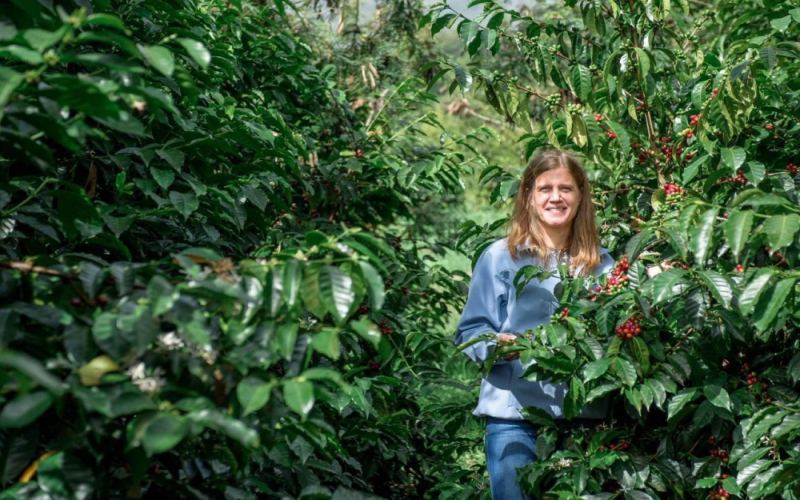
Hacienda La Esmeralda in Panama is world-renowned for its Geisha variety, and its four major grades—Auction, Red Label, Green Label, and Blue Label—often confuse coffee lovers. From the perspective of Front Street Coffee, this article sorts out the history of Hacienda La Esmeralda and the logic behind its plot divisions, and explains in detail the specific differences among the grades in planting altitude, plot source, processing method, and cupping performance. Through actual roasting curves and brewing comparisons, it presents the flavor trends of Red Label, Green Label, and Blue Label Geisha in floral aroma, fruit acidity, sweetness, and body, helping readers understand how altitude classification and blending models affect the final expression of a cup of Geisha. [more…]